04.08.2026
10 Interesting Facts About the Environment and Waste
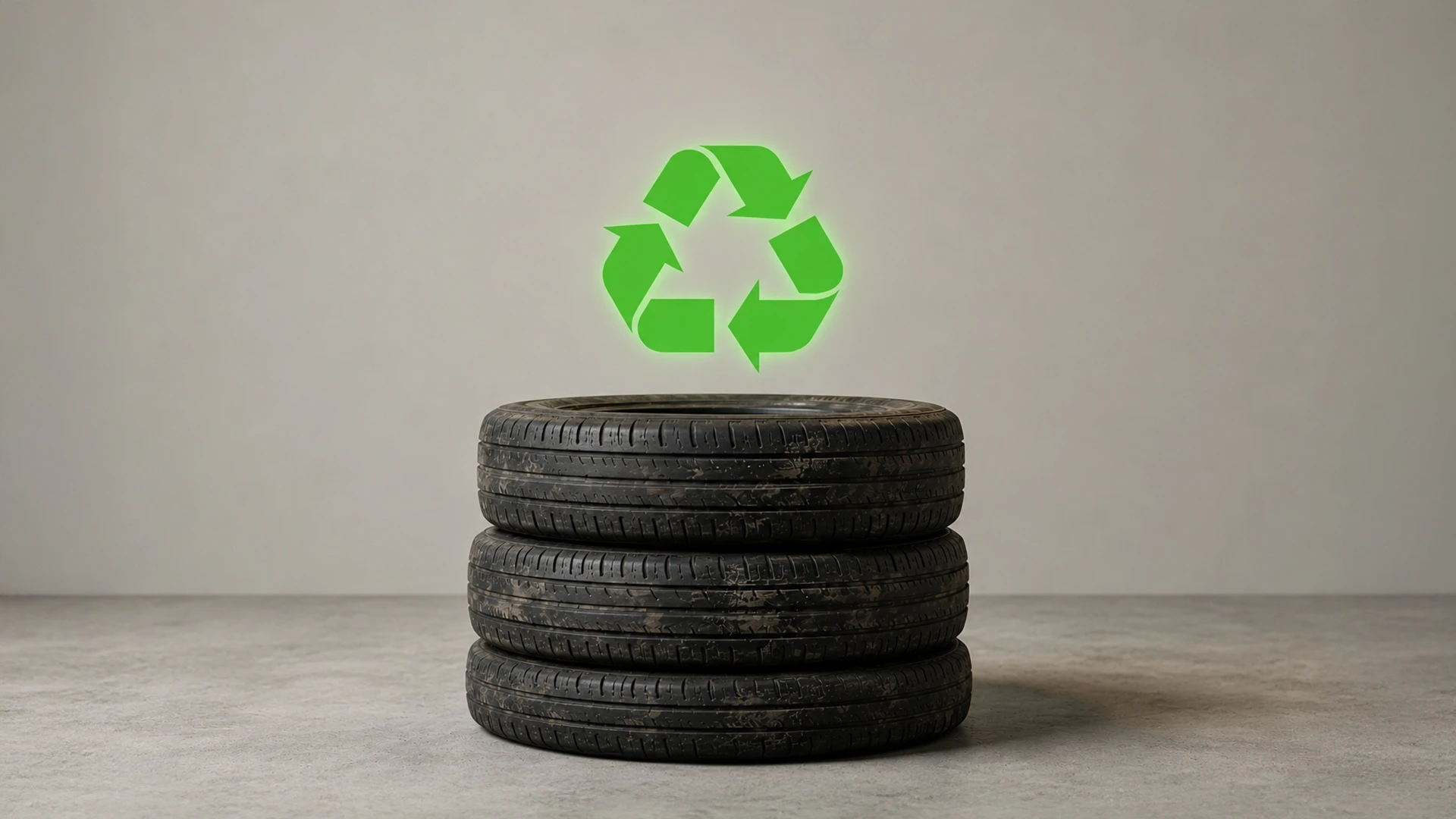
Protecting the environment is not only a matter of global policy, it begins with the choices we make every day. Seemingly small decisions, such as properly disposing of used tyres, waste oil, or batteries, can significantly reduce our impact on the environment.
Here are 10 facts that highlight why responsible waste management matters.
1. A tyre takes hundreds of years to decompose
Used tyres are made from complex materials, including natural and synthetic rubber, steel, and textile fibers. Because of this composition, they do not naturally decompose in the environment. Instead, they occupy valuable space, pollute ecosystems, and pose a serious fire hazard.
2. One litre of used engine oil can contaminate up to one million litres of water
Used engine oil is one of the most hazardous types of waste. When released into soil or water, it forms a thin film that reduces oxygen exchange and threatens aquatic ecosystems. This is why used oil should never be poured into drains or disposed of in nature.
3. Around 99% of lead-acid batteries can be recycled
Lead-acid batteries are among the world's most successfully recycled products. When managed responsibly, their lead, plastic, and other components can be recovered and used to manufacture new batteries and other products.
4. Recycled tyres are used in sports and playground surfaces
Rubber granules produced from recycled tyres are widely used in sports fields, playgrounds, running tracks, safety surfaces, and, in some countries, even in asphalt mixtures. Through recycling, waste gains a new purpose and a second life.
5. Waste is often a valuable resource
Used tyres, waste oil, and batteries can be recovered and processed into valuable secondary raw materials. This reduces the need for extracting virgin resources and helps conserve natural materials.
6. Recycling reduces energy consumption
Using recycled materials generally requires less energy than producing products from virgin raw materials. For example, recycling aluminium consumes approximately 95% less energy than primary aluminium production, significantly reducing greenhouse gas emissions.
7. Abandoned tyres pose serious environmental risks
Discarded tyres easily collect rainwater, creating ideal breeding grounds for mosquitoes and other insects. In addition, tyre fires are extremely difficult to extinguish and release large amounts of toxic pollutants into the atmosphere.
8. Small everyday actions create lasting change
Proper waste disposal, reducing single-use plastics, and saving water and energy may seem like simple actions, but when adopted by millions of people, they make a significant positive impact on the environment.
9. Environmental protection is everyone's responsibility
Achieving meaningful environmental progress requires cooperation between governments, businesses, and society. Governments establish regulations, businesses develop waste management systems, and citizens ensure their effectiveness through responsible everyday choices.
10. Proper waste management helps combat climate change
Responsible waste management reduces the demand for virgin raw materials, lowers energy consumption, and decreases greenhouse gas emissions. As a result, effective waste management is an important tool in addressing climate change.
Informed Choices Build a Sustainable Future
Environmental protection begins with knowledge. The better we understand the impact of our everyday decisions, the easier it becomes to make responsible choices.
Tegeta Green Planet promotes environmental awareness in Georgia and supports the responsible management of specific waste streams, including used tyres, waste oil, and batteries. The organization's goal is to encourage more individuals and businesses to recognize that properly managed waste not only protects the environment but also conserves valuable resources and contributes to a more sustainable future.
Responsible change does not always begin with grand actions often, it starts with one simple, informed decision.