23.06.2026
Circular Economy in Everyday Life - How Can We Become Part of the Change?
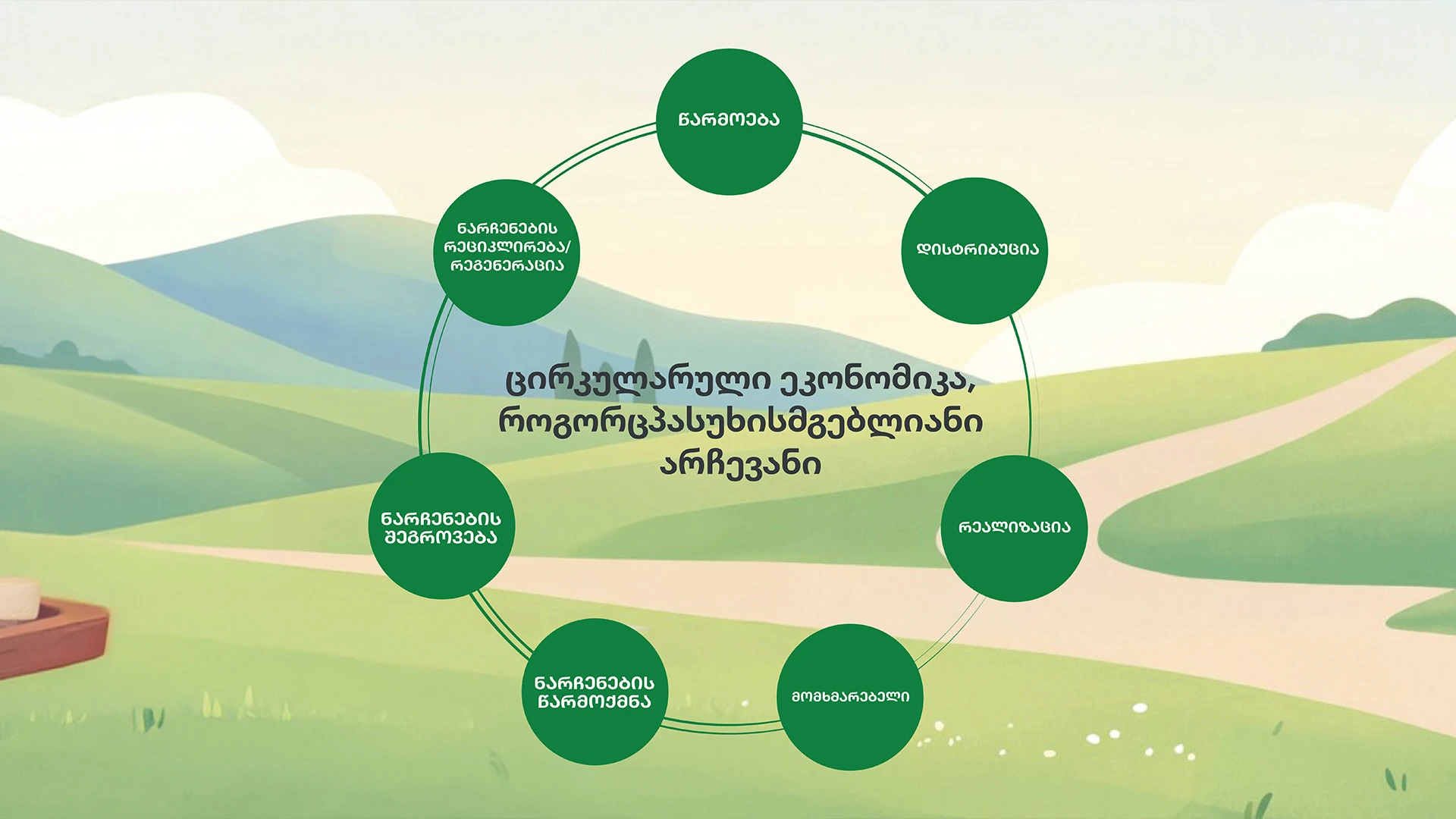
Today, environmental protection is no longer solely the responsibility of governments, companies, or international organizations. Each of us can make a positive impact through our everyday choices. This is the core idea behind the circular economy - a model that focuses on keeping resources in use for as long as possible, reducing waste, and preserving value through reuse and recycling.
What is a Circular Economy?
The traditional economic model follows the principle of “take, use, dispose.” A circular economy, however, aims to change this approach by promoting the reuse, repair, refurbishment, and recycling of resources.
This means that a product’s life cycle does not end in a landfill; instead, it continues as a new resource or product.
How Can We Become Part of the Change?
The circular economy is not only the responsibility of large industries and businesses. Its principles can also be applied in our daily lives:
1. Reduce Waste Generation
When shopping, choose durable and reusable products whenever possible. Consuming less means generating less waste and placing less pressure on the environment.
When shopping, choose durable and reusable products whenever possible. Consuming less means generating less waste and placing less pressure on the environment.
2. Extend the Life of Products
Before purchasing something new, consider whether the existing item can be repaired or upgraded. This approach helps conserve valuable resources.
Before purchasing something new, consider whether the existing item can be repaired or upgraded. This approach helps conserve valuable resources.
3. Recycle Properly
It is essential that specific waste streams, such as used tires, waste oils, and batteries, do not end up in the environment. Proper collection and recycling reduce pollution and enable valuable materials to be reused.
It is essential that specific waste streams, such as used tires, waste oils, and batteries, do not end up in the environment. Proper collection and recycling reduce pollution and enable valuable materials to be reused.
4. Support Responsible Companies
Consumer choices matter. Supporting environmentally responsible companies encourages the adoption of sustainable practices.
Circular Economy and Extended Producer Responsibility (EPR)
In Georgia, the development of a circular economy is strongly supported by the Extended Producer Responsibility (EPR) system. EPR is one of the key pillars of modern environmental policy, ensuring the full lifecycle management of specific waste streams, including used tires, waste oils, and batteries - from collection and transportation to recycling and further management in accordance with circular economy principles.
This is precisely the area in which Tegeta Green Planet operates. Established in 2022, the organization is one of the first authorized EPR organizations in Georgia to receive authorization from the Ministry of Environmental Protection and Agriculture. Its activities contribute to the efficient management of specific waste streams and the return of valuable resources back into the economy.
Why Is This Important?
When used tires, waste oils, or batteries are managed properly, they no longer pose a threat to the environment. On the contrary, recycling them enables the creation of new products, conserves natural resources, and reduces waste generation.
The circular economy is not merely a theoretical concept - it is a practical approach that begins with everyday choices. Each of us can become part of this change by making responsible decisions and contributing to a more sustainable future.