11.08.2026
Georgia's Eco-Reality Against the EU Backdrop
Environmental policy and sustainable waste management are among the key measures of a modern state's development. Today, as Georgia actively works toward closer alignment with European standards, it is especially interesting to look at where we stand on environmental indicators compared to EU countries, what challenges we face, and what the outlook is for the coming years.
Current Situation: Reality and Comparison
In EU member states, the culture of the circular economy and waste recycling has been developing for decades. In Georgia, this process started relatively late, though significant steps have already been taken at both the legislative and practical levels.
- Municipal waste recycling: In the EU, a large share of household waste is recycled, and in leading European countries this system operates almost seamlessly. In Georgia, the sorting and recycling of municipal waste is still at an early stage and largely relies on pilot projects.
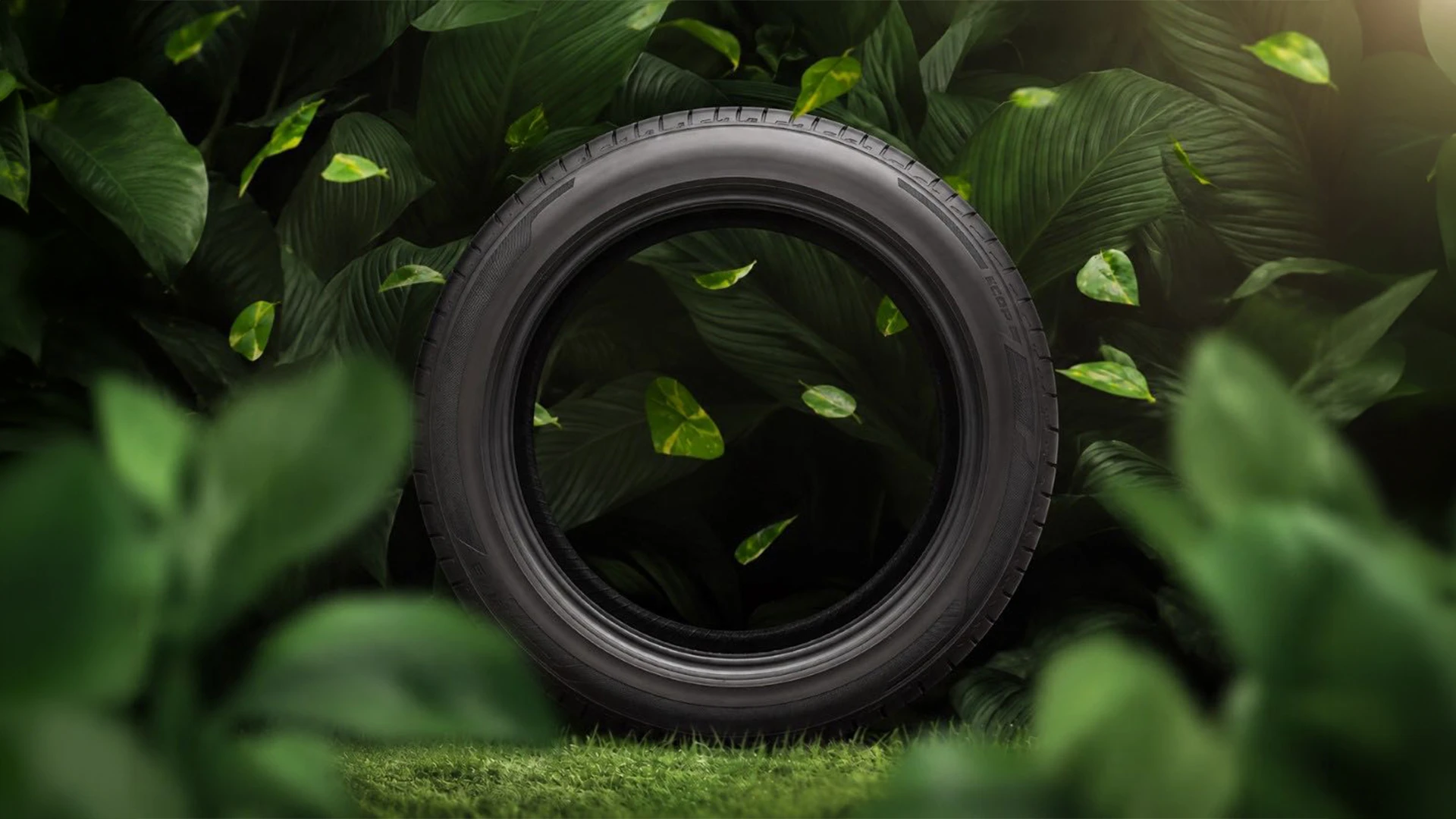
- Specific waste and the EPR system: We see comparatively visible and positive results when it comes to specific waste streams (tires, oils, batteries, e-waste). The activation of Extended Producer Responsibility (EPR) has placed concrete obligations on the business sector. As a result, the collection and recycling rate for this category of waste in Georgia has increased significantly.
The European Experience: Germany, Austria, and Switzerland
The success of European countries is built on a synthesis of strict regulation and high public responsibility:
- Germany: Known for its "Pfand" (deposit-return) system and strict sorting standards. Germany has managed to minimize the amount of waste ending up in landfills and convert the vast majority of it into an economic resource.
- Austria: Actively uses innovative biotechnologies and modern thermal processing methods, enabling the generation of electricity and heat from waste.
- Switzerland: The country has fully banned the direct disposal of unsorted municipal waste in landfills. The "pay as you throw" principle is in effect, which pushes citizens toward maximum sorting of their waste.
Key Challenges for Georgia
- Lack of infrastructure: A shortage of separate collection points in both regions and major cities hinders mass public participation.
- Public awareness: The habit of sorting waste has not yet become part of everyday culture in society.
- The informal sector: A significant portion of waste still ends up in unlicensed networks, which makes accurate accounting and safe recycling more difficult.
What Lies Ahead?
The obligations undertaken through the Association Agreement, along with the national strategy, provide for the gradual introduction of the European model of waste management.
- In the coming years, a large-scale increase in the collection and recycling of plastic, paper, glass, and metal is essential for Georgia.
- Adoption of the circular economy model: The scale of transforming waste into a resource is growing - instead of polluting nature, collected materials are returning to the recycling cycle and being used as secondary products across various industries.
- The network of collection points will expand, making it easier for citizens and companies to hand over hazardous and specific waste.
Reaching European eco-standards is not the responsibility of the state or business alone. It is a joint process, in which the small step taken by every citizen plays a decisive role.