01.07.2026
From School to Environmental Protection - Why Is Environmental Education Important?
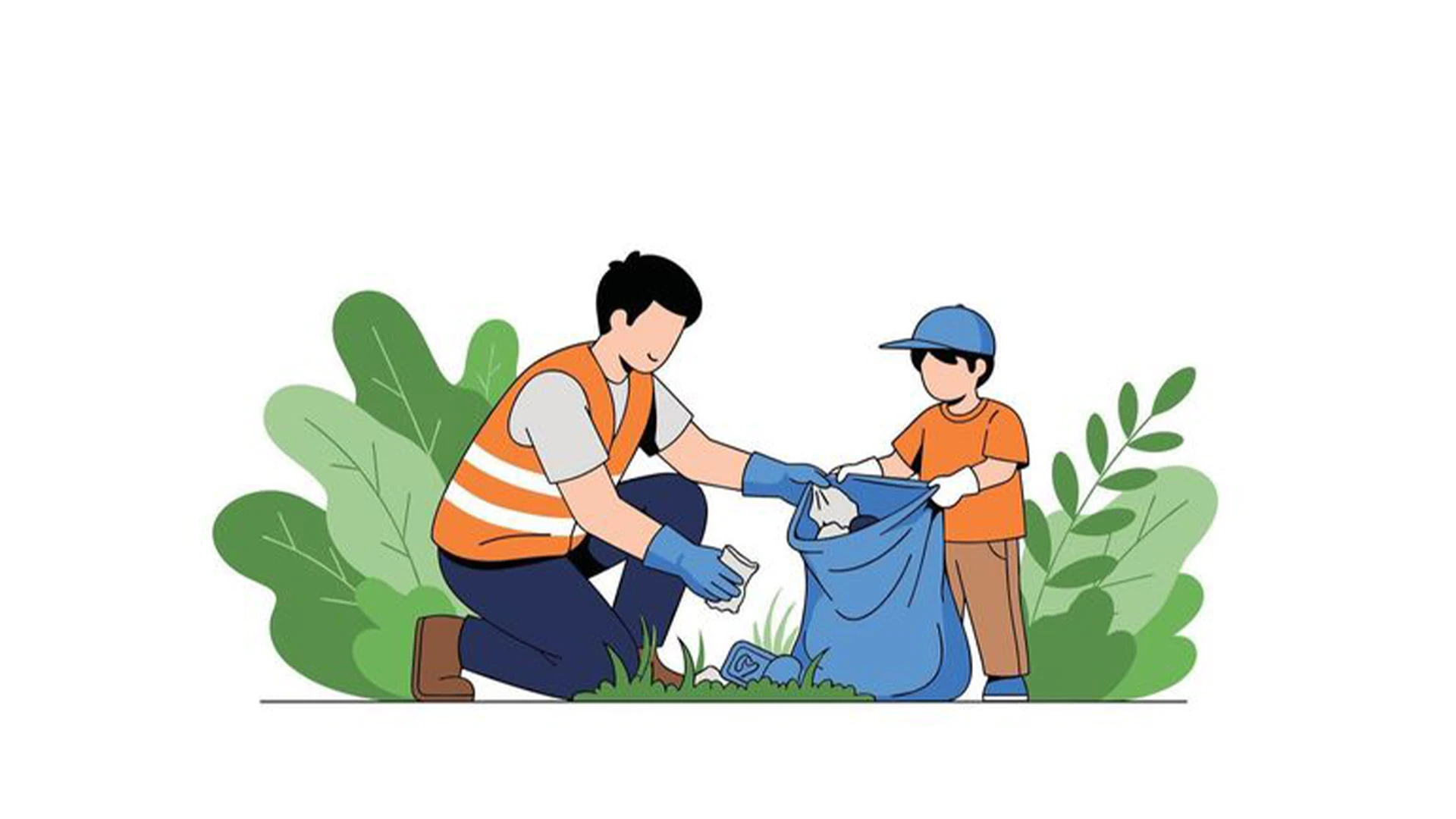
Environmental protection is not only about loving nature-it is about knowledge, responsibility, and everyday decisions that define the quality of our future. That is why environmental education is one of the most important investments in the development of future generations today.
When children and young people are introduced to the principles of sustainable development, circular economy, waste management, and responsible use of natural resources from an early age, they not only gain knowledge but also develop lifelong habits. These habits, in turn, shape the environmental culture of society in the future.
Environmental Education Starts at School
School is the space where young people learn not only subjects but also civic responsibility. It is here that attitudes toward the environment, nature, and society are formed.
If students understand why waste sorting, resource conservation, or proper disposal of used tires and batteries is important, these actions will become natural behaviors for them in the future.
Environmental education does not only mean theoretical knowledge. It is much more effective when teaching is delivered in an interactive format-through discussions, experiments, practical activities, and real-life examples.
Circular Economy Starts with Awareness
The circular economy is based on the idea that resources should remain in use for as long as possible. This cannot be achieved without active public involvement.
If people do not know why proper management of specific waste is necessary, recycling systems cannot function effectively. That is why education is one of the key foundations of circular economy development.
The Role of Tegeta Green Planet
In Georgia, Tegeta Holding, through its environmental initiative Tegeta Green Planet, is actively involved in raising environmental awareness and supporting the development of the circular economy.
The organization has been operating since 2022 and is one of the first authorized organizations in Georgia to obtain authorization under the Extended Producer Responsibility (EPR) framework from the Ministry of Environmental Protection and Agriculture.
The EPR system is one of the key directions of modern environmental policy, ensuring the collection, transportation, recycling, and proper management of specific waste such as used tires, oils, and batteries in line with circular economy principles.
In addition, Tegeta Green Planet places special emphasis on environmental education. The organization regularly cooperates with schools, universities, and youth organizations, conducting informational meetings, presentations, and interactive workshops where young people learn about green economy, waste management, renewable energy, and sustainable development principles.
The Future Begins with Education
In the context of climate change, resource depletion, and environmental pollution, environmental education is no longer an additional skill-it is an essential one.
Today’s students will be tomorrow’s decision-makers. Therefore, informing them and developing environmental responsibility means investing in a cleaner, safer, and more sustainable future.
Environmental protection does not begin with one big step. It begins with one lesson, one responsible decision, and one generation that understands that change starts with individual responsibility.