19.06.2026
What Does EPR Mean for Importers? A Simple Explanation
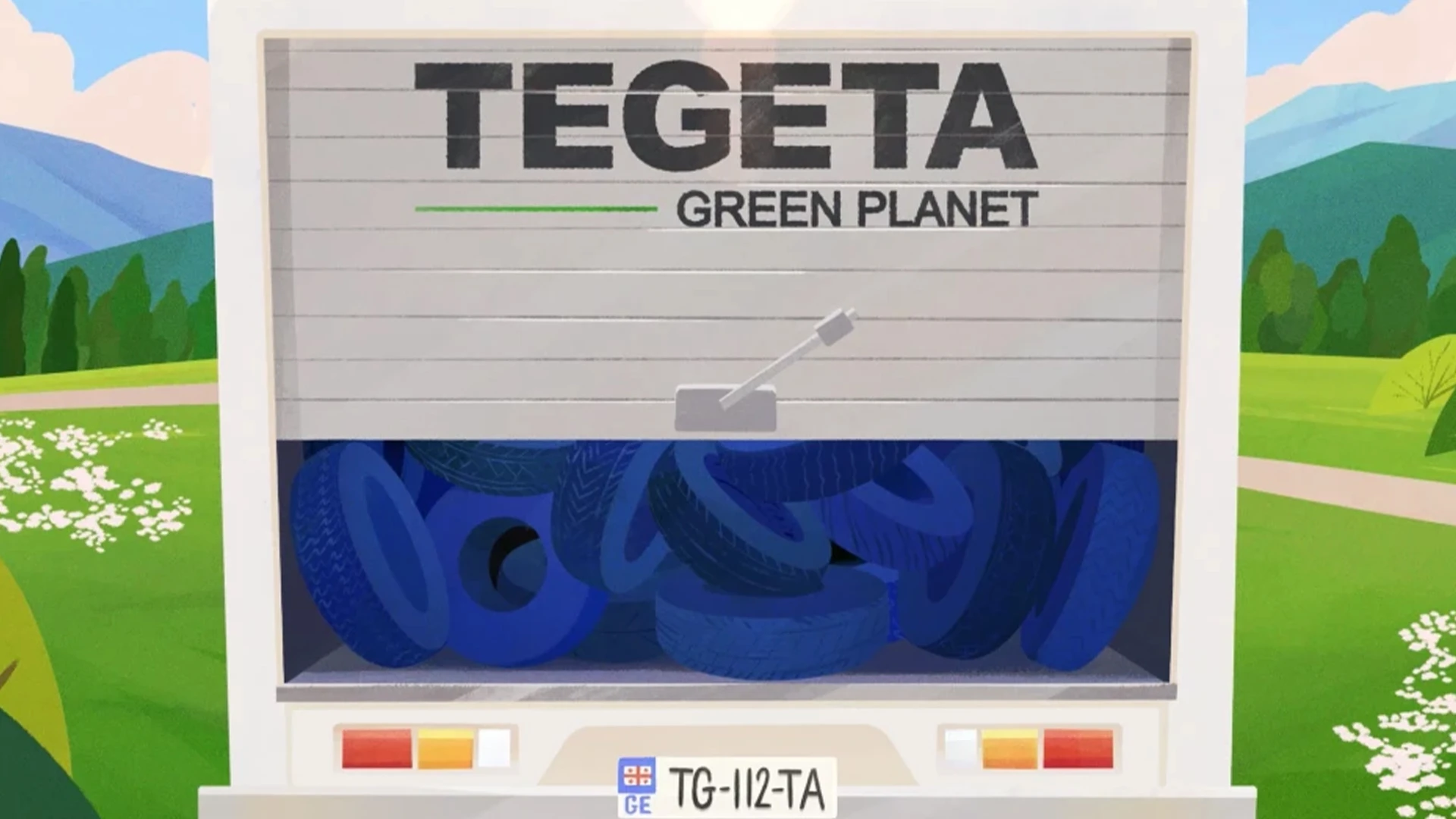
One of the key directions of environmental policy in Georgia is the Extended Producer Responsibility (EPR) system. Although many companies are already aware of this requirement, a common question remains: what does EPR actually mean for importers, and what obligations does it impose?
What is EPR?
Extended Producer Responsibility (EPR) is a system under which companies are responsible for the waste generated from certain products they place on the market.
This means that responsibility does not end with importing or selling a product. Companies must also ensure that the waste generated after the product's use is properly collected and recycled.
Who Does EPR Apply To?
EPR applies to companies that import into Georgia:
- Tires;
- Oils and lubricants;
- Batteries and accumulators;
- Electrical and electronic equipment.
If a company places products from these categories on the market, it is also responsible for meeting the corresponding environmental obligations.
It is important to note that participation in the EPR system is mandatory under Georgian legislation for all importers placing tires, oils and lubricants, batteries, accumulators, or electrical and electronic equipment on the market. Therefore, such companies are required to comply with EPR requirements either independently or through an authorized EPR organization.
What Are the Importer's Obligations?
Within the EPR framework, companies have several key responsibilities:
- Registration in the relevant registry;
- Keeping records of products placed on the market;
- Submitting periodic reports;
- Meeting waste collection and recycling targets.
In practice, these processes often require additional administrative and organizational resources.
How Can Companies Fulfill Their Obligations?
Importers may fulfill their obligations independently; however, a more efficient and practical solution is to join an authorized EPR organization.
In this case, the organization provides:
- Waste collection system management;
- Recycling process coordination;
- Data administration;
- Reporting support;
- Assistance in meeting legal requirements.
The Role of Tegeta Green Planet
Tegeta Green Planet is one of the first authorized EPR organizations in Georgia, helping companies comply with their obligations under the Extended Producer Responsibility framework.
The organization brings together importers and ensures the collection and recycling of waste tires, oils, and batteries, helping both to protect the environment and to support businesses in fulfilling their legal obligations efficiently.
Why Is EPR Important?
EPR is not just a regulation. It is a mechanism that reduces environmental impact, increases recycling rates, and promotes the development of a circular economy.
Participation in the EPR system is mandatory for importers of the relevant products, and Tegeta Green Planet helps companies fulfill these obligations efficiently and easily.
The more companies participate in the system, the less waste ends up in the environment and the more resources are returned to the economic cycle.
Today, participation in the EPR system is not only a legal obligation but also an important part of responsible business practices.