08.05.2026
What Is the Circular Economy and Why Is It Important?
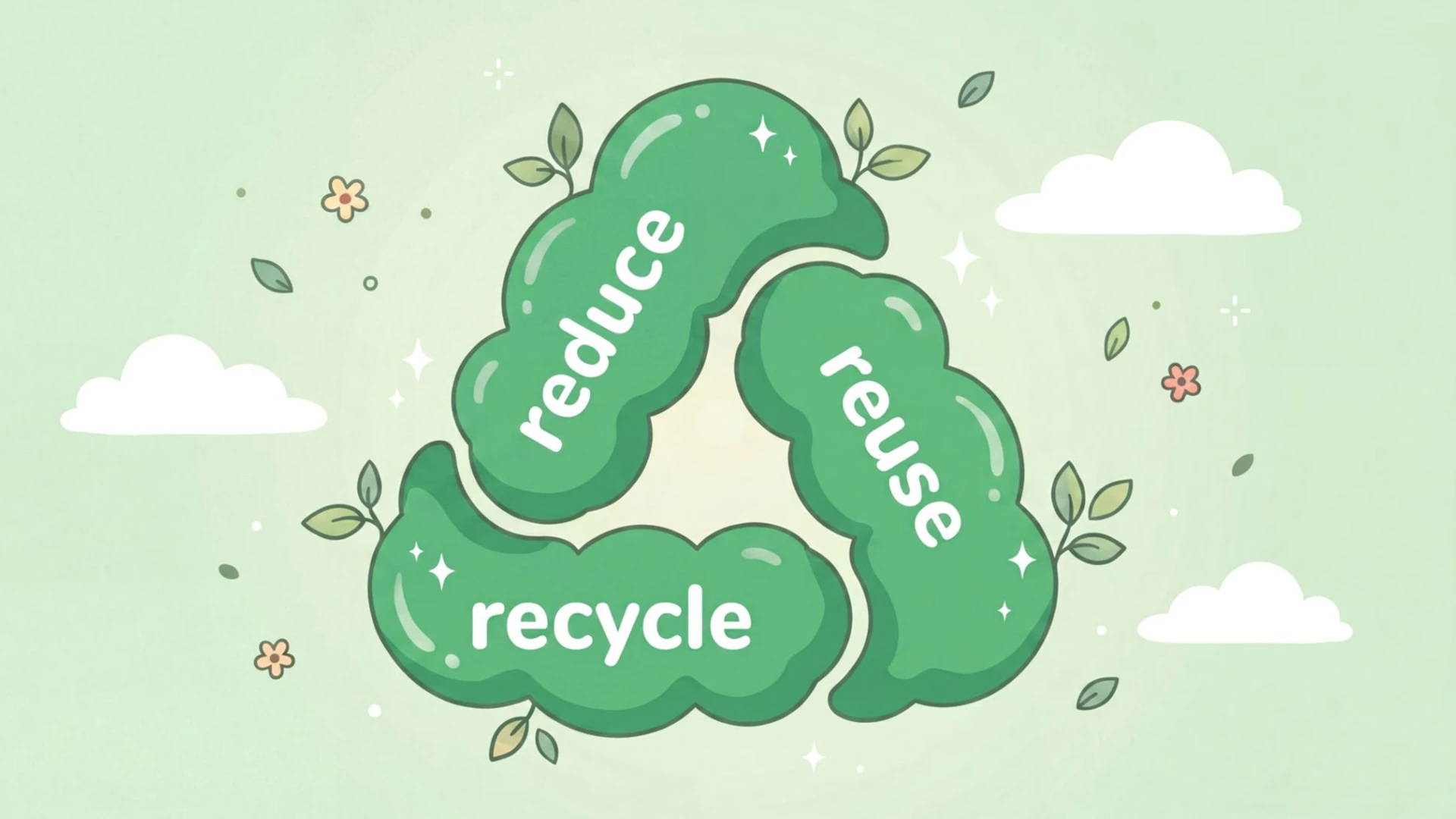
In the modern world, resource consumption is increasing every day. Production, consumption, and the accumulation of waste have become not only economic challenges, but environmental ones as well. Against this backdrop, the concept of the circular economy is becoming increasingly important - a model that views waste not as a problem, but as a valuable resource.
The circular economy is considered one of the most effective models for environmental protection because it addresses several major challenges simultaneously.
What Does Circular Economy Mean?
Traditional, so-called linear economy operates on the principle of “take, use, dispose.” In this model, resources are used once and eventually become waste.
The circular economy offers a completely different approach. Its main goal is to keep products, materials, and resources within the economic cycle for as long as possible. This is achieved through:
- Recycling;
- Reuse;
- Restoration;
- Efficient resource management.
In this system, waste is no longer the final stage - it becomes the beginning of a new life cycle.
Poorly managed waste pollutes soil, water, and air. Recycling and reusing materials significantly reduces environmental pressure.
When already-used materials are reused, the need for extracting new raw materials decreases. This means lower energy consumption and less environmental damage.
How Does the Circular Economy Work in Practice?
One of the clearest examples of the circular economy in practice is the management of specific waste streams - such as used tires, waste oil, and batteries.
This is exactly the direction in which Tegeta Green Planet operates - a company that ensures the collection and management of specific waste in Georgia.
Tegeta Green Planet’s activities represent a practical example of the circular economy because different types of waste are transformed back into valuable resources:
- Used tires are recycled into rubber granules, which are used in sports fields, infrastructure projects, and various industries;
- Waste oil undergoes special processing and can be reused;
- Battery management helps reduce the release of hazardous substances into the environment and returns valuable materials back into the economic cycle.
Through this process, environmental pollution is reduced, resources are conserved, and a more sustainable system is created - this is the core idea of the circular economy.
Circular Economy as a Responsible Choice
The circular economy is not just an environmental term - it is a modern way of thinking based on responsible consumption, proper resource management, and sustainable development.
Today, it is already clear that the future belongs to systems where waste is transformed into a valuable resource. That is why the circular economy is not only an environmental necessity, but also an important foundation for economic and social development.
The circular economy creates new business models, jobs, and innovative opportunities. Proper waste management often becomes the basis for developing new products and industries.
The world is increasingly moving toward a green economy. Countries and companies that implement circular approaches today will become more competitive and sustainable in the future.