15.05.2026
Why Are Used Batteries Considered One of the Most Dangerous Types of Waste
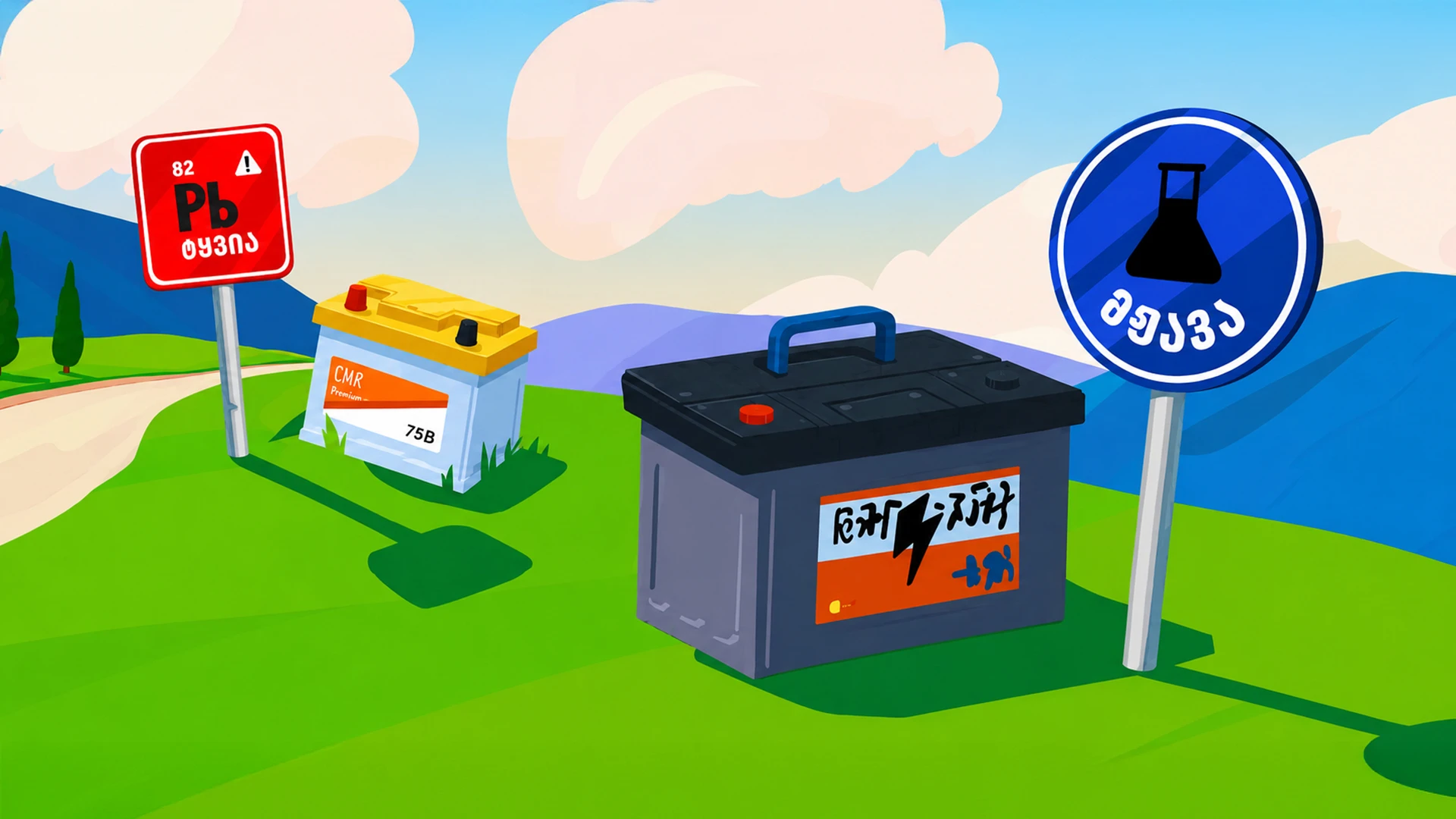
In modern everyday life, batteries are found almost everywhere - in vehicles, electronics, energy systems, and many other devices. However, once a battery reaches the end of its life cycle, it is no longer considered ordinary waste. Used batteries are one of the most hazardous types of specific waste, and improper management can seriously harm both the environment and human health.
What Does a Used Battery Contain?
Old batteries contain various toxic substances, including:
- Lead
- Acid
- Heavy metals
- Chemical electrolytes
When released into nature, these substances contaminate soil, water, and air. Lead is especially dangerous because it accumulates in the human body and can cause serious health problems.
Environmental Risks
If a used battery ends up in a landfill or in the environment:
- Toxic liquids leak into the soil;
- Contaminated soil affects plants and agriculture;
- Chemicals reach groundwater;
- The risk of ecosystem damage increases.
Even a single improperly disposed battery can pollute the environment for many years.
Risks to Human Health
Heavy metals and chemical substances released from used batteries are extremely dangerous to human health. They may cause:
- Damage to the nervous system;
- Respiratory problems;
- Kidney and liver damage;
- Developmental disorders in children.
This is why used batteries must never be disposed of together with regular household waste.
Can Batteries Be Recycled?
Yes - most used batteries can be recycled.
Tegeta Green Planet has been operating since 2022. It is one of the first organizations in Georgia authorized by the Ministry of Environmental Protection and Agriculture within the framework of Extended Producer Responsibility (EPR). This is particularly important because the EPR system is one of the key directions of modern environmental policy, ensuring the full cycle management of specific waste - including used tires, oils, and batteries - through collection, transportation, recycling, and further management according to circular economy principles.
During the recycling process, materials such as:
- Lead;
- Various metal components
can be reused. This helps reduce environmental pollution and the consumption of natural resources.
Why Is Proper Waste Management Important?
Proper collection and recycling of specific waste are essential parts of the circular economy. When used batteries are managed correctly:
- Environmental pollution decreases;
- Resources are saved;
- Health risks are reduced;
- A culture of responsible consumption grows.
That is why it is important to deliver old batteries to designated collection points instead of throwing them into regular trash.
Responsibility Toward the Environment
Tegeta Green Planet ensures the collection, transportation, and management of specific waste, including used batteries, in accordance with circular economy principles.
Used batteries contain lead and other hazardous substances that pose serious risks to both the environment and human health. Therefore, proper management is essential for reducing pollution and promoting resource reuse.