10.06.2026
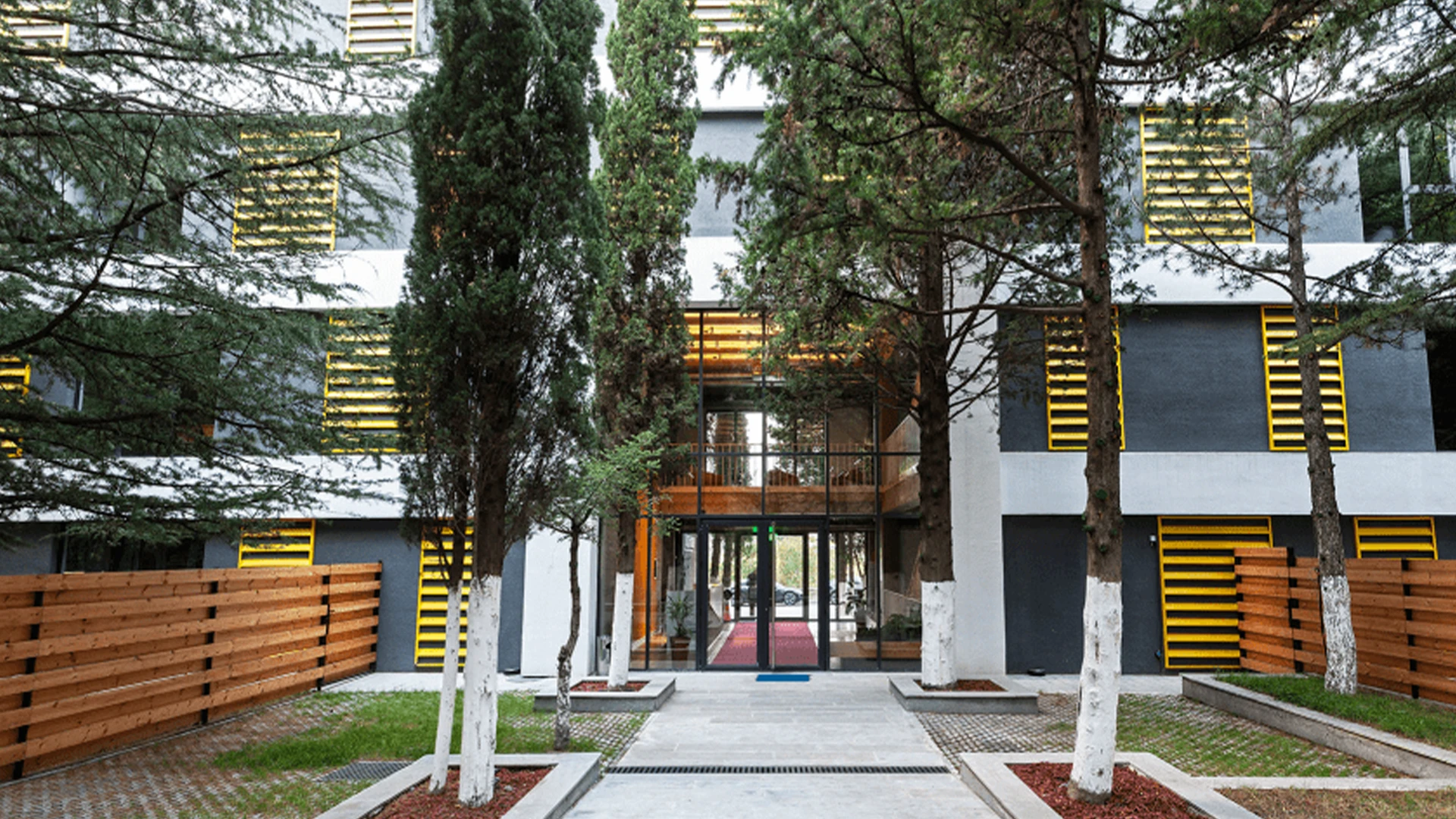
Workshop at AlterBridge University
Tegeta Green Planet held a workshop at Alte University focused on sustainable development, the Sustainable Development Goals (SDGs), and the Extended Producer Responsibility (EPR) system. During the meeting, students received information about proper waste management, the impact of everyday choices, and the importance of building a greener future.
The initiative was implemented in cooperation with Shine Energy. The workshop concluded with a discussion, an interactive game, and an award ceremony for the winners.
Tegeta Green Planet is one of the first organizations in Georgia to receive authorization from the Ministry of Environmental Protection and Agriculture within the framework of Extended Producer Responsibility (EPR). The organization ensures the collection, transportation, and recycling of used tires, oils, and batteries in accordance with the principles of the circular economy.
Throughout the session, students actively participated in discussions, asked questions to industry specialists, and gained a deeper understanding of how individual decisions can impact the environment. At the end of the event, active participants were awarded symbolic gifts and certificates, making the meeting even more memorable and engaging.
The organization’s main goal is to raise environmental awareness among young people and help them develop practical skills that will enable them to become environmentally responsible and conscious citizens in the future. This visit is part of a large-scale educational campaign through which Tegeta Green Planet continues to visit schools and universities across different regions of Georgia.
Tegeta Green Planet has been operating since 2022. It is one of the first organizations in Georgia to obtain authorization from the Ministry of Environmental Protection and Agriculture under the Extended Producer Responsibility framework. This is particularly important because the EPR system is one of the key pillars of modern environmental policy, ensuring the full lifecycle management of specific waste streams, including used tires, oils, and batteries—from collection and transportation to recycling and further management in line with circular economy principles.
__